

White tea is often associated with delicacy.
Many tea drinkers naturally assume that the finer the leaves, the lighter and more refined the tea will taste. Silver Needle White Tea, made mostly from tender buds, is often seen as the classic example of this idea.
But Xiao Ye Bai offers another way to experience white tea.
It reminds us that delicacy is not only found in appearance. Sometimes, a tea with a more natural, unpolished form can carry a remarkably pure and graceful character.
A White Tea from the Mountains of Wuyi
 When people speak of Chinese white tea, two places often come to mind: Fuding and Zhenghe.
These regions are widely recognised as important centres of white tea. They have shaped how many people understand the category.
Xiao Ye Bai, however, comes from deep within the high mountains of Wuyi.
This gives it a different kind of presence. It does not simply follow the familiar image of white tea. Instead, it brings a mountain quality that feels fresh, clear, and quietly expressive.
Why Xiao Ye Bai Feels So Distinctive
The first impression of Xiao Ye Bai is clarity.
When the tea enters the mouth, there is a soft honeyed sweetness, followed by the gentle fragrance of fine tea. In Chinese tea language, this is often called hao xiang, which refers to the delicate aroma that comes from the tiny white hairs found on young tea buds and leaves.
This fragrance does not stay in one place.
It opens through the mouth gently, giving the tea a sense of movement and space.
As the tea moves down the throat, it feels smooth and cooling, almost like water from a mountain stream. The sweetness is not heavy or sugary. It is closer to the feeling of morning dew: clean, light, and quietly refreshing.
A Tea That Changes with Every Brew
 One of the most beautiful qualities of Xiao Ye Bai is its ability to change.
Different water temperatures can reveal different sides of the tea.
Different infusions can show new layers.
Different brewing vessels can also shape the experience.
This does not mean the tea is difficult to brew. Rather, it means the tea has depth. It gives the drinker something new to notice each time.
At one moment, it may feel clearer and more lifted. At another, it may feel softer and more honeyed.
Later infusions may reveal a calmer sweetness, with a quiet mountain freshness that lingers.
This is the charm of a tea with inner substance. It does not offer only one fixed expression.
The Beauty of Roughness and Refinement
There is a line from the Tang dynasty poet Cen Shen:
“As if a spring wind came overnight, thousands upon thousands of pear blossoms bloom.”
The image is sudden, pure, and full of life.
Xiao Ye Bai carries a similar feeling. It suggests that refinement does not always come from a perfect or polished exterior. Sometimes, a tea that looks simple, rustic, or less formally delicate can still contain a clear and graceful soul.
This is part of its quiet strength.
It does not depend on grand appearance or excessive decoration.
It offers itself honestly.
A Tea That Feels Like Sincere Friendship
In Chinese culture, a noble friendship is not based on performance, status, or display. It is based on sincerity, mutual understanding, and quiet respect.
Xiao Ye Bai has that same quality.
It does not feel showy. It does not demand attention. It does not need to prove itself through intensity.
Instead, it invites a slower kind of appreciation and over time, it reveals why it matters.
The Meaning Is in the Heart
 The poet Tao Yuanming was said to have played a zither without strings. When asked about it, he suggested that once one understands the true joy within the instrument, there is no need to chase the sound of the strings.
The meaning is not in the outer performance, but the heart.
This idea sits beautifully with Xiao Ye Bai.
To drink this tea is not only to judge aroma, sweetness, texture, or aftertaste. It is also to enter a quieter state of attention.
There is no need for extravagance, noise, or ceremony that feels burdensome.
Just tea, water, time, and a clear mind.
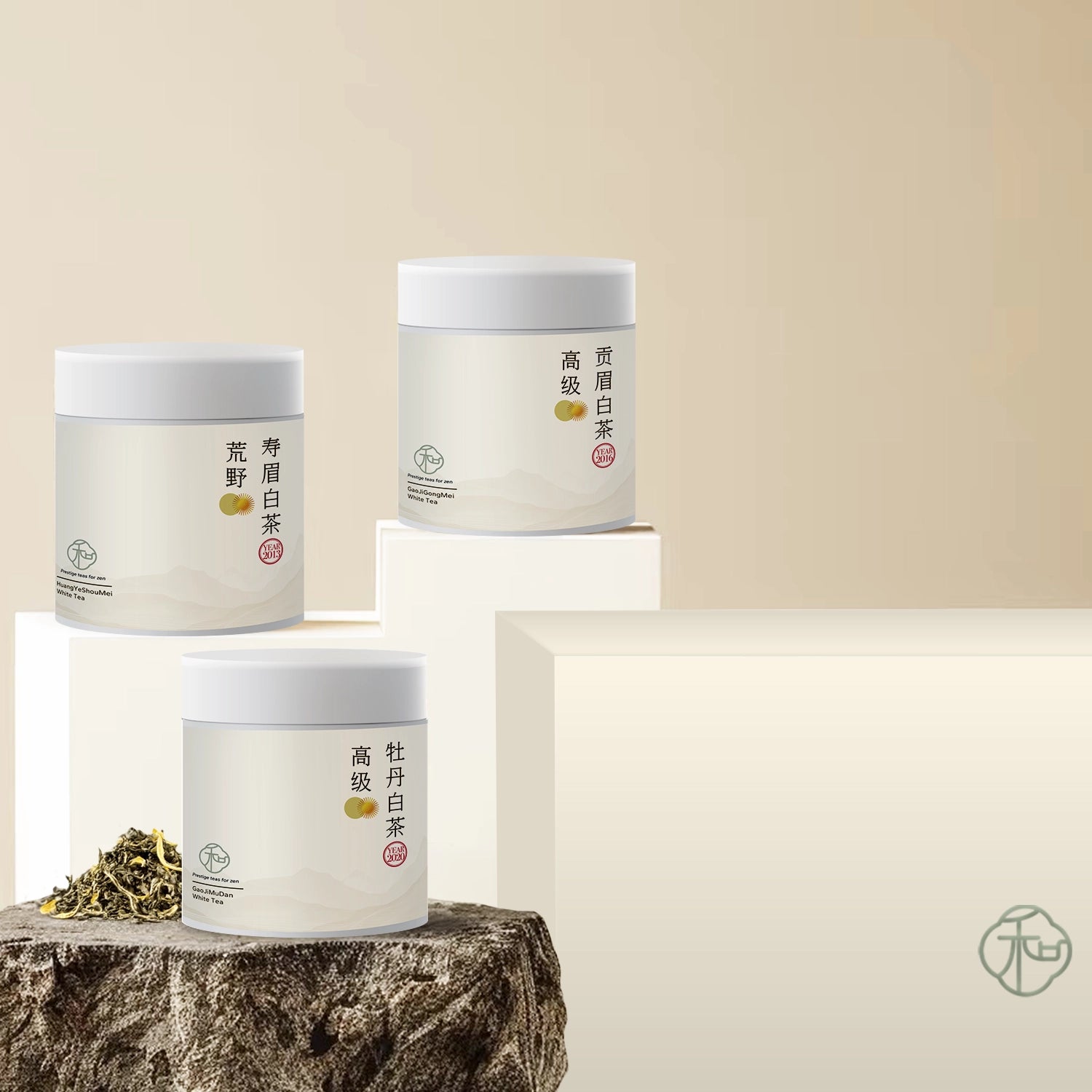
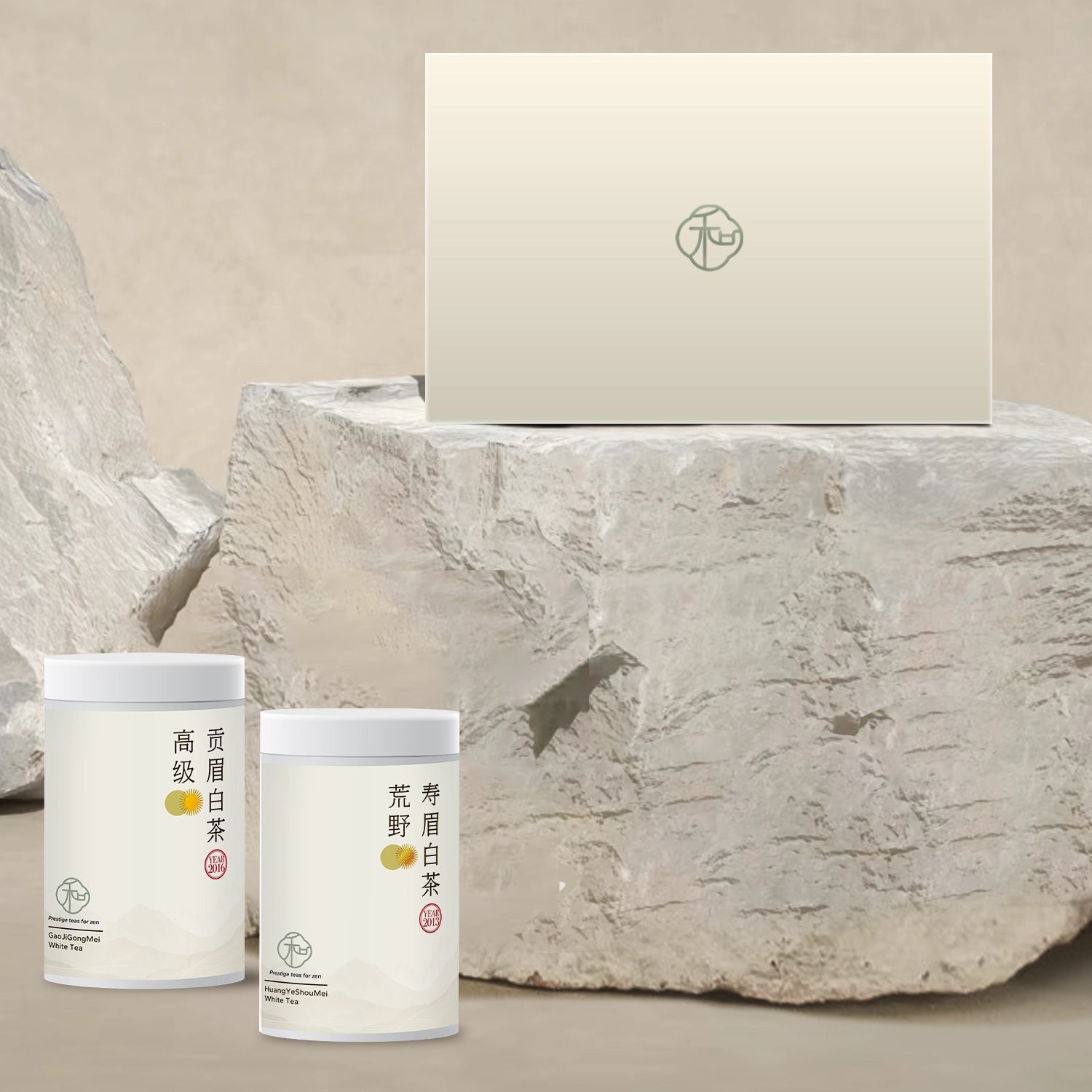
Experience White Tea with Hetea
At Hetea, our white teas are selected for drinkers who value quiet detail, cultural depth, and a slower way of tasting.
For those who wish to understand Chinese tea beyond the surface, the Hetea newsletter offers weekly educational articles on tea types, brewing, origin, culture, and appreciation.
Subscribe to continue learning.


0 comments