

Green, yellow, brown… what colour should white tea actually be?
If you’ve ever explored Chinese white tea, you’ve probably come across questions like these: “Why does one white tea look green, while another looks brown?” or “Does darker white tea mean it’s older?”
It sounds like a simple question, but the answer is more nuanced than most people realise.
The truth is, the colour of white tea alone cannot accurately determine its age. While ageing does affect colour, many other factors influence how white tea looks long before time ever does.
To understand this properly, we first need to understand what actually happens as white tea ages.
White Tea Changes Colour Because It Is Slowly Ageing

The colour transformation of white tea is essentially part of its natural ageing process.
Over time, the compounds inside the tea slowly evolve. Some substances break down, while others become more noticeable. These changes happen gradually and naturally during storage.
One of the key compounds involved is chlorophyll.
Chlorophyll is the natural pigment that gives fresh plants and tea leaves their green colour. As white tea ages, chlorophyll slowly oxidises and breaks down.
Oxidation is simply a slow chemical reaction caused by exposure to oxygen over time. It is similar to how a sliced apple gradually turns brown after being left out.
As the chlorophyll fades, the vibrant green tones in white tea slowly disappear.
Why Older White Tea Looks Darker

As the green colour fades, other compounds within the tea begin to show through.
One of these is carotenoids, natural pigments also found in carrots and pumpkins. These compounds contribute warmer yellow and golden tones to the tea.
At the same time, the internal structure of the tea leaves gradually weakens as the tea continues ageing. More compounds from inside the leaves are released and slowly oxidise on the surface.
This causes the dry tea leaves to appear deeper, darker, and more muted over time.
This is why many tea drinkers associate darker dry leaves with older white tea.
But here’s the important part: Darker colour does not automatically mean older tea.
Why Some New White Teas Already Look Dark

The appearance of white tea is also heavily affected by how it was processed.
During production, white tea goes through a step called withering, where moisture is slowly removed from the leaves.
If the withering process is heavier or longer, more chlorophyll may already be broken down even before the tea is stored for ageing.
As a result, some new white teas naturally appear darker, less green, or even slightly brown from the very beginning.
This means a newer tea can sometimes look older than it actually is.
And this is exactly why judging white tea age purely by colour can be misleading.
So How Do Experienced Tea Drinkers Judge Age?

Instead of relying only on appearance, experienced tea drinkers pay attention to something more important: taste.
More specifically, they look for what is often called “aged character” or “aged notes”.
This refers to the deeper, smoother, more rounded flavours that naturally develop as white tea matures over time.
Fresh white tea often tastes brighter, lighter, and more floral.
Aged white tea tends to develop warmer, fuller notes that may feel softer, deeper, or more comforting.
But recognising these differences takes experience.
There is no exact formula for perfectly determining the age of white tea through taste alone. Even experienced drinkers are often making educated estimates rather than precise conclusions.
What Colour Should White Tea Be Then?

The answer is simple: many colours can be completely normal.
Fresh white tea may appear green, yellow-green, olive-toned or deep green-brown. While aged white tea may appear brown, dark brown, muted bronze or deeper mixed tones.
All of these can naturally exist depending on the tea variety, processing style, storage conditions, and ageing time. Therefore, colour should only ever be treated as one small clue, not definitive proof of age or quality.
Focus Less on Colour, More on the Experience

It’s natural to want clear visual signs when buying tea. But white tea is more complex than simply “darker means older”.
Sometimes, the best tea may not look the way you expect at all.
Instead of obsessing over whether a tea looks green or brown, it may be more meaningful to focus on a more important question:
Does the tea taste good? Does it feel balanced, comforting, and enjoyable to drink?
Because ultimately, that matters far more than colour alone.
Explore our white tea collection

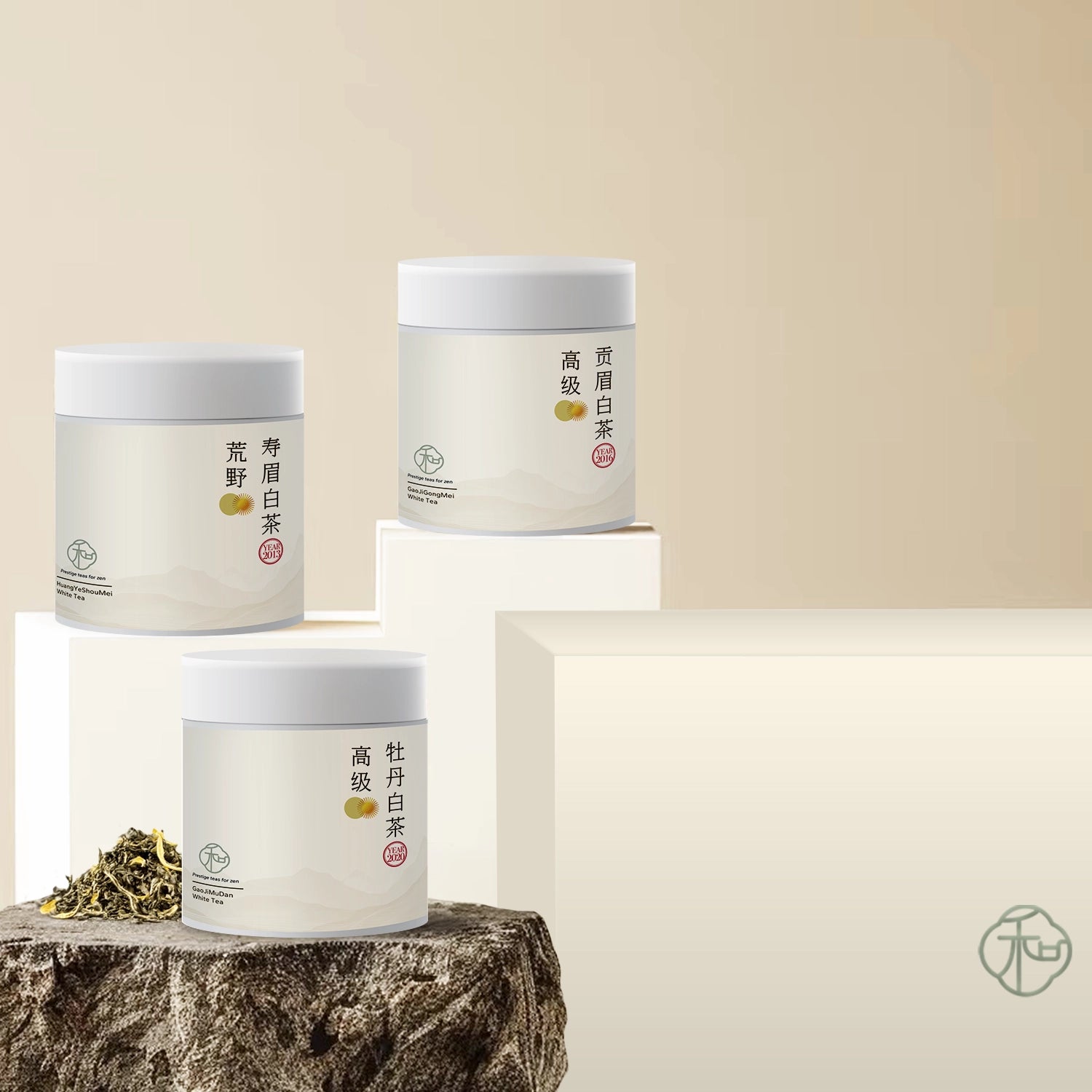
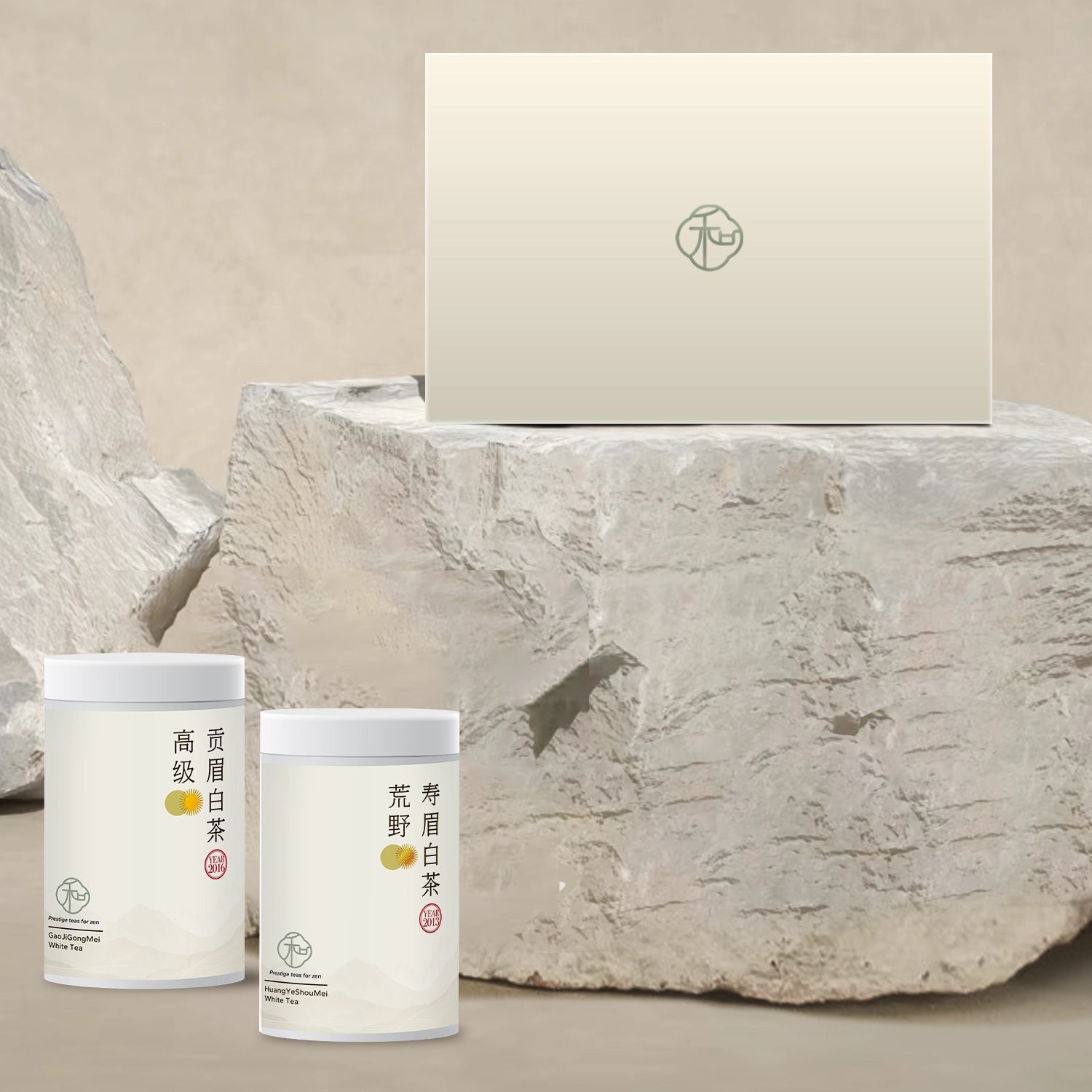
At HeTea, our white tea collection is thoughtfully curated to showcase the depth, elegance, and diversity of authentic Chinese white tea, from fresh floral expressions to richer, more layered profiles.
Start simple. Stay curious. Trust your own taste.
Happy steeping!


0 comments