

One of the most confusing parts of buying Chinese tea is the enormous price difference between products that, at first glance, may appear surprisingly similar.
Two jasmine teas can look nearly identical, yet one costs ten times more than the other. A green tea harvested from the same province may range from affordable daily drinking tea to something treated almost like a seasonal luxury.
To people unfamiliar with tea, this can sometimes feel arbitrary or inflated.
But tea pricing is usually shaped by many overlapping factors, including agriculture, geography, craftsmanship, yield, storage, and market demand. While branding and marketing certainly exist within tea culture, genuine differences in quality and production are also very real.
Understanding these factors makes tea pricing far easier to navigate.
1. Not All Tea Is Produced for the Same Purpose
At the most basic level, teas are often produced with very different intentions.
Large-scale commodity teas are designed around stability and consistency. The goal is to create something dependable, approachable, and affordable enough for regular daily drinking. When processed properly, these teas can still be enjoyable and perfectly satisfying as everyday tea.
Higher-end teas, however, are usually built around distinction rather than consistency alone.
Much of their value comes from specific mountain regions, smaller production areas, unusual growing conditions, or highly seasonal harvests that cannot easily be replicated at scale.
In tea, rarity often begins at the agricultural level long before branding enters the conversation.
2. Harvest Timing Changes Everything

Tea harvesting standards also influence price significantly.
In many green teas, the most prized harvests are made from extremely young buds picked during early spring, sometimes only for a very short seasonal window each year. These early harvests are valued for their freshness, tenderness, and aromatic clarity.
Because supply is naturally limited while demand remains high, prices rise quickly.
This is similar to seasonal produce in fine dining. The shorter and more desirable the harvest window becomes, the more valuable the product often is.
3. Lower Yield Usually Means Higher Cost
Some tea gardens intentionally reduce how often they harvest in order to preserve quality.
A plantation focused on maximising volume may harvest repeatedly throughout the year, while another producer may choose only one or two carefully timed harvests annually to maintain concentration and refinement in the leaves.
The trade-off is obvious: lower yield means fewer products available for sale.
Yet labour, land maintenance, farming risks, and operational costs still remain. As a result, lower-production teas naturally become more expensive.
4. Why Core Production Regions Matter

In Chinese tea culture, “core production regions” hold particular importance.
These regions usually develop strong reputations over generations because of a combination of climate, soil, altitude, local knowledge, and established craftsmanship. While excellent tea can absolutely exist outside these famous areas, core regions often have more concentrated expertise and stronger quality consistency overall.
This does not mean every tea from a famous region is automatically exceptional. However, the highest-level teas frequently emerge from environments where both nature and craftsmanship have been refined together over long periods of time.
5. The Difference in Flavour Is Often Very Real
One common assumption among beginners is that expensive tea only exists because of branding or prestige.
While branding can influence pricing, substantial flavour differences genuinely exist between entry-level tea and high-quality tea.
In many cases, the distinction between a modest tea and a significantly more expensive one becomes immediately noticeable, even to newer drinkers.
Higher-quality tea often feels more layered, expressive, textured, and persistent across multiple infusions. Aroma tends to be clearer, bitterness better integrated, and the overall experience more balanced.
Commodity tea primarily solves one problem: having tea to drink.
Exceptional tea attempts to create a deeper sensory and emotional experience.
6. Craftsmanship Also Shapes Price

Tea processing requires different levels of labour, attention, and technical precision depending on the tea being made.
Using white tea as an example, Shoumei is generally produced in much larger quantities than Baihao Yinzhen. Because Baihao Yinzhen uses delicate young buds, processing mistakes become far less forgiving and far more costly.
Higher-grade material demands greater care throughout withering, drying, sorting, and storage.
At larger production scales, processing often shifts toward efficiency and stability instead.
7. More Expensive Tea Is Often More Forgiving
One overlooked characteristic of high-quality tea is brewing tolerance.
Better tea usually adapts more gracefully across different brewing conditions, whether the water temperature is slightly off, the steeping time runs longer than intended, or the brewing environment is less controlled.
This makes the tea easier and more enjoyable to brew consistently.
In contrast, lower-grade tea may become harsh, flat, or unpleasant very quickly if conditions are imperfect.
8. Cheap Tea Is Not Always Actually Cheaper
Tea value is not only determined by upfront price.
Some lower-cost teas lose flavour after only a few infusions, requiring more leaves and more frequent brewing sessions throughout the day. Meanwhile, a higher-quality tea that remains expressive across ten or more infusions may ultimately provide better overall value despite its higher purchase price.
This is one reason experienced tea drinkers often evaluate tea beyond the first brew alone.
9. Storage Quietly Affects Final Cost

The final quality of tea depends heavily on storage after production.
Poor storage, excess humidity, breakage, contamination, or failed ageing can all create losses for producers and vendors. These losses inevitably become part of the overall product cost.
In aged teas especially, careful long-term storage becomes part of the craftsmanship itself.
10. Tea Pricing Reflects Layers of Agriculture, Craft, and Time
Tea is unusual because it sits somewhere between agriculture, craftsmanship, and cultural tradition.
Its pricing is shaped not by a single factor, but by many small decisions made across farming, harvesting, processing, storage, and market demand.
Understanding this does not mean expensive tea automatically becomes “worth it” for everyone.
But it does explain why two teas that appear similar on the surface can ultimately represent completely different levels of labour, rarity, and experience.
Explore Hetea’s Collection
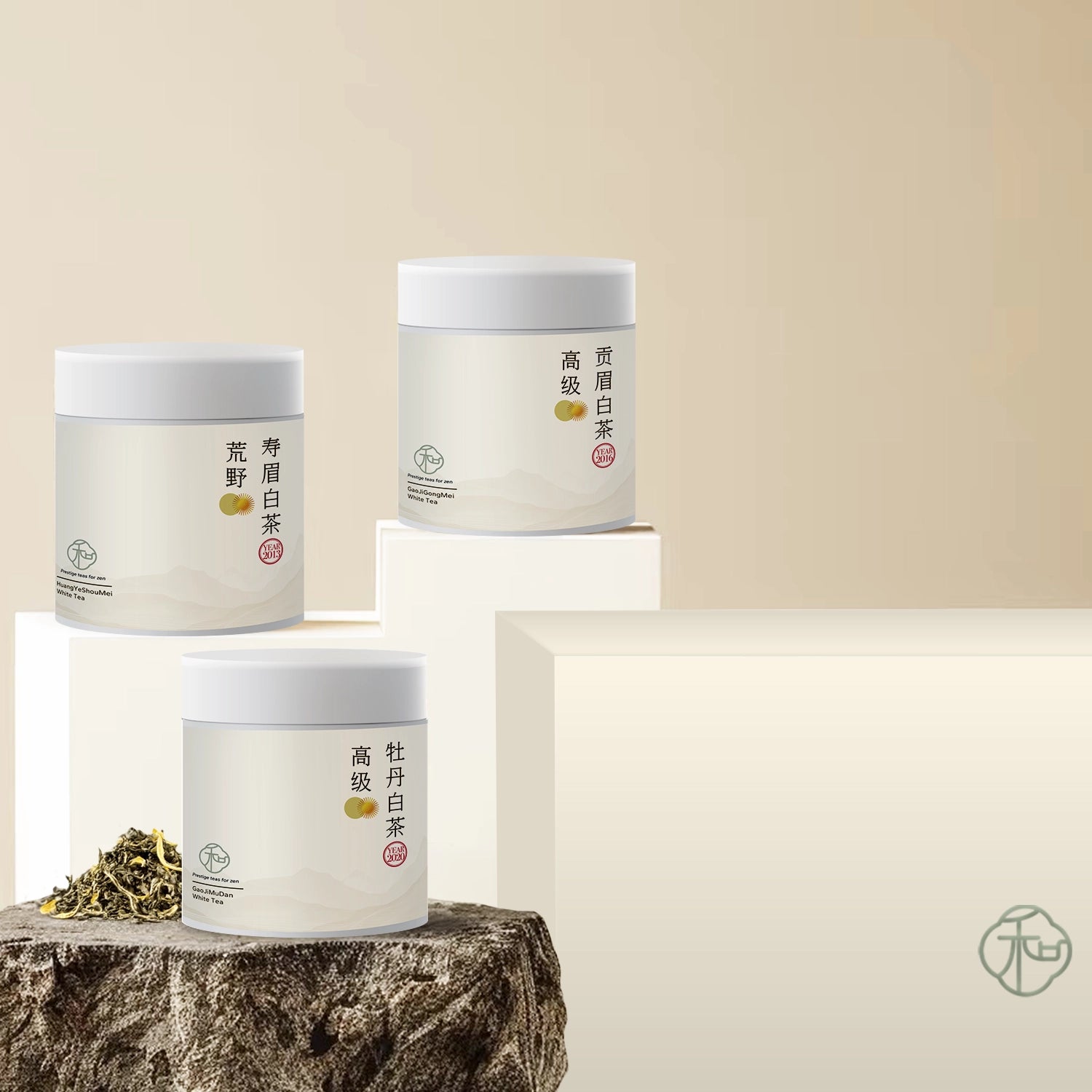
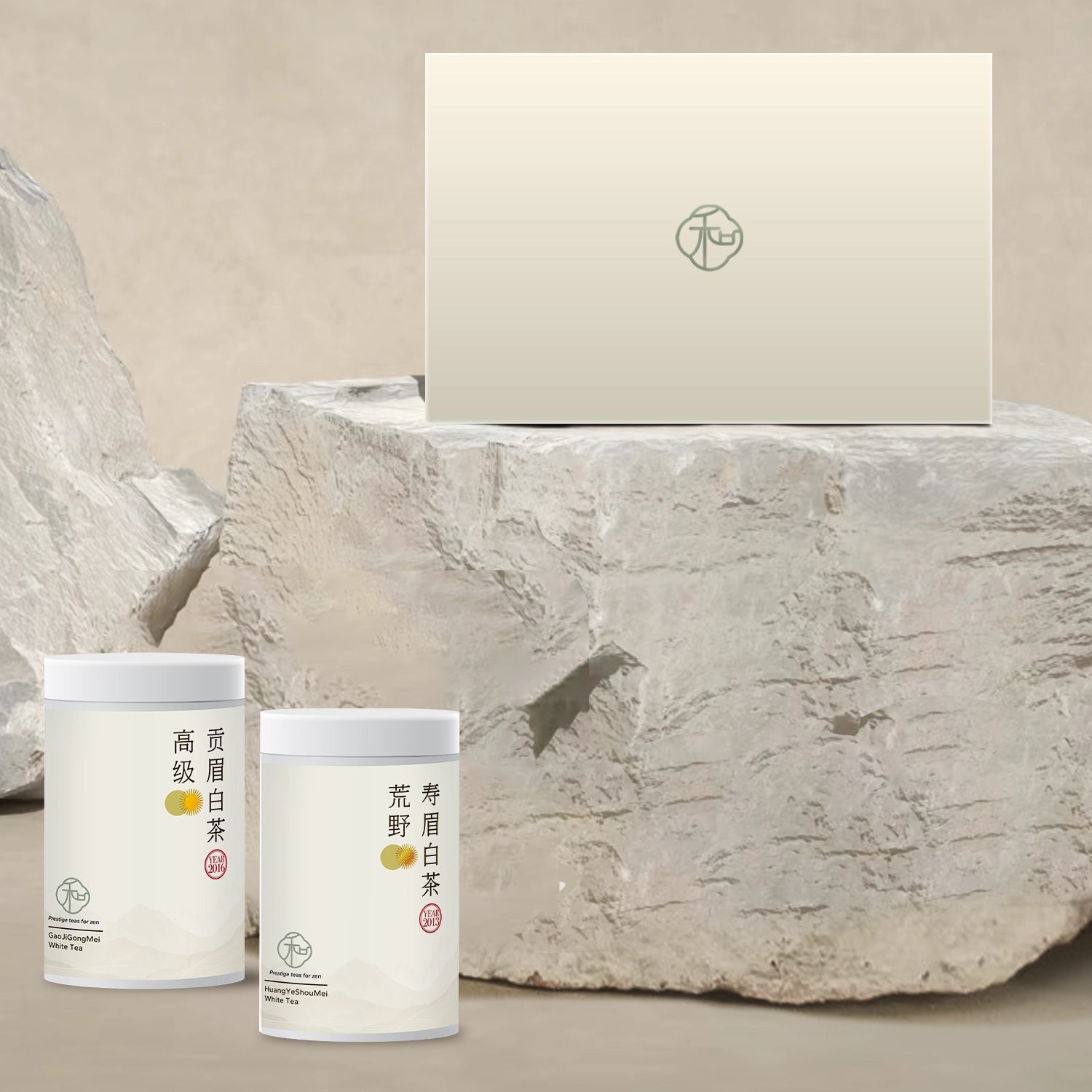
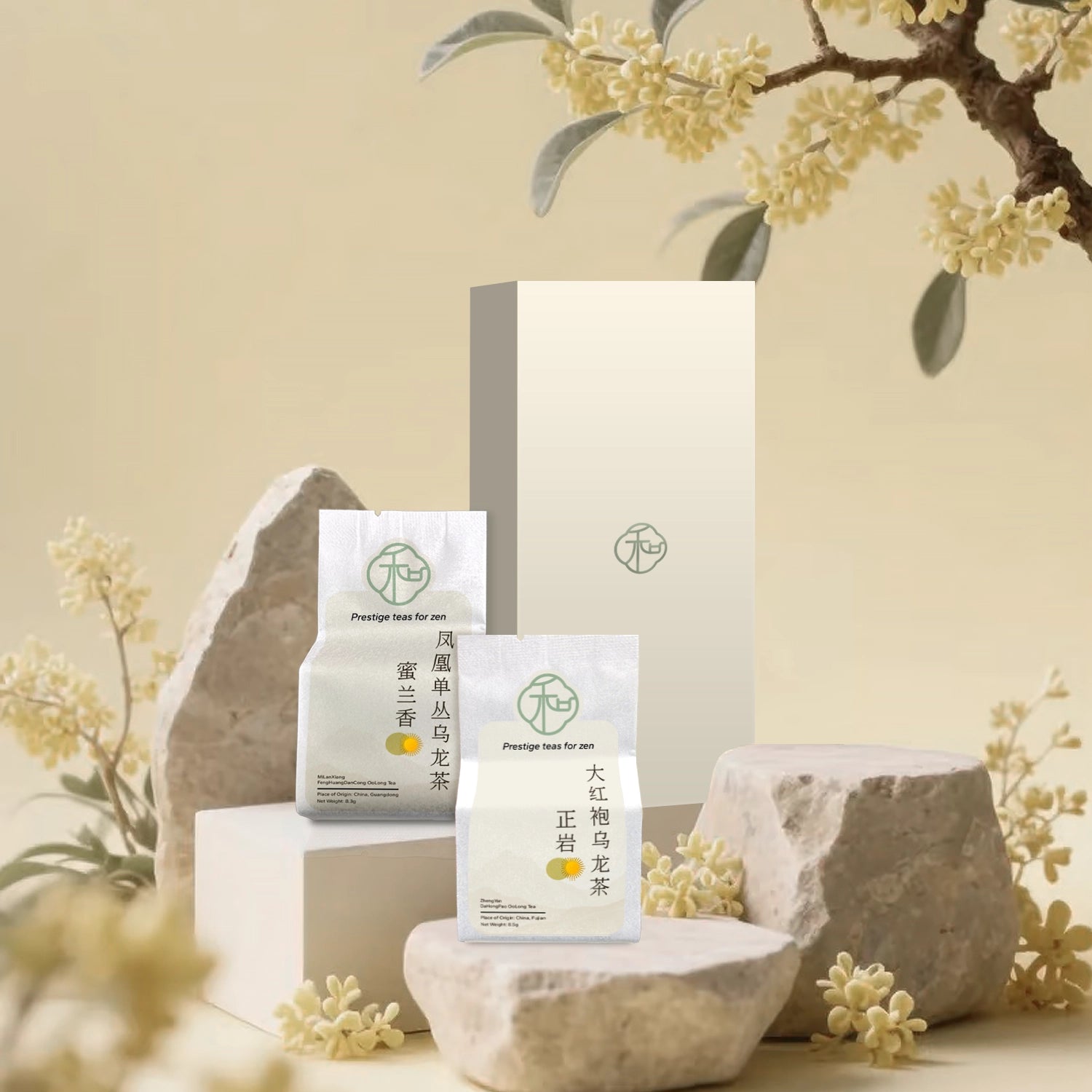
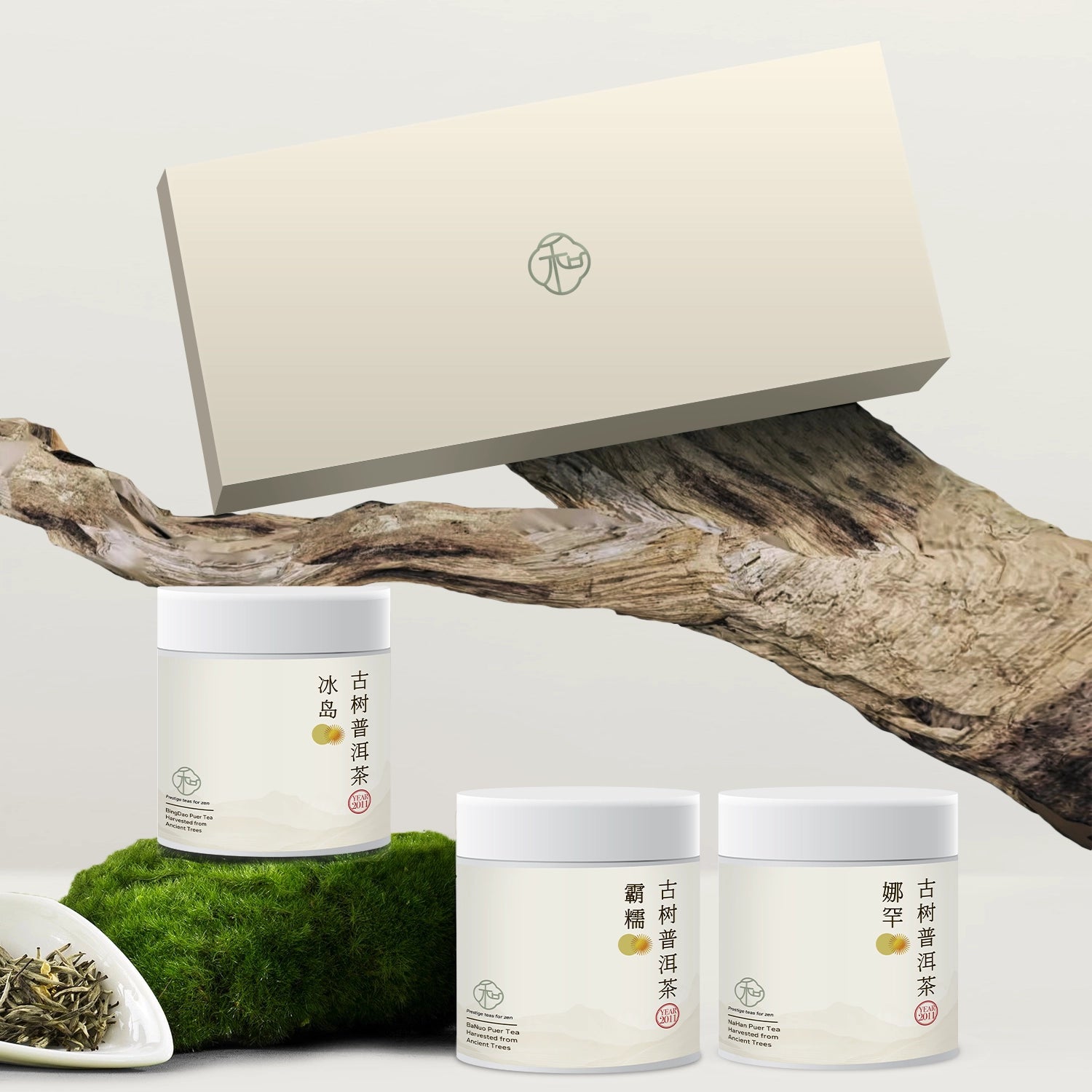
Whether exploring floral jasmine teas, expressive oolongs, or refined white teas, Hetea’s tea collection focuses on thoughtfully sourced Chinese teas that highlight craftsmanship, regional character, and everyday drinkability.
Subscribe to the Hetea Newsletter
Subscribe to the Hetea newsletter for weekly articles exploring Chinese tea culture, brewing knowledge, tea regions, craftsmanship, and the stories behind traditional Chinese tea.


0 comments