

Why Phoenix Dan Cong Tea Feels Different From Other Teas![]()

Phoenix Dan Cong (凤凰单丛) tea has a reputation for being one of the most aromatic teas in the Chinese tea world.
Unlike many teas that focus primarily on texture or sweetness, Phoenix Dan Cong tea is driven by fragrance. Its aromas can feel sharp yet elegant, expressive yet refined. Even before taking a sip, the tea often fills the cup with shifting floral and fruit-like notes.
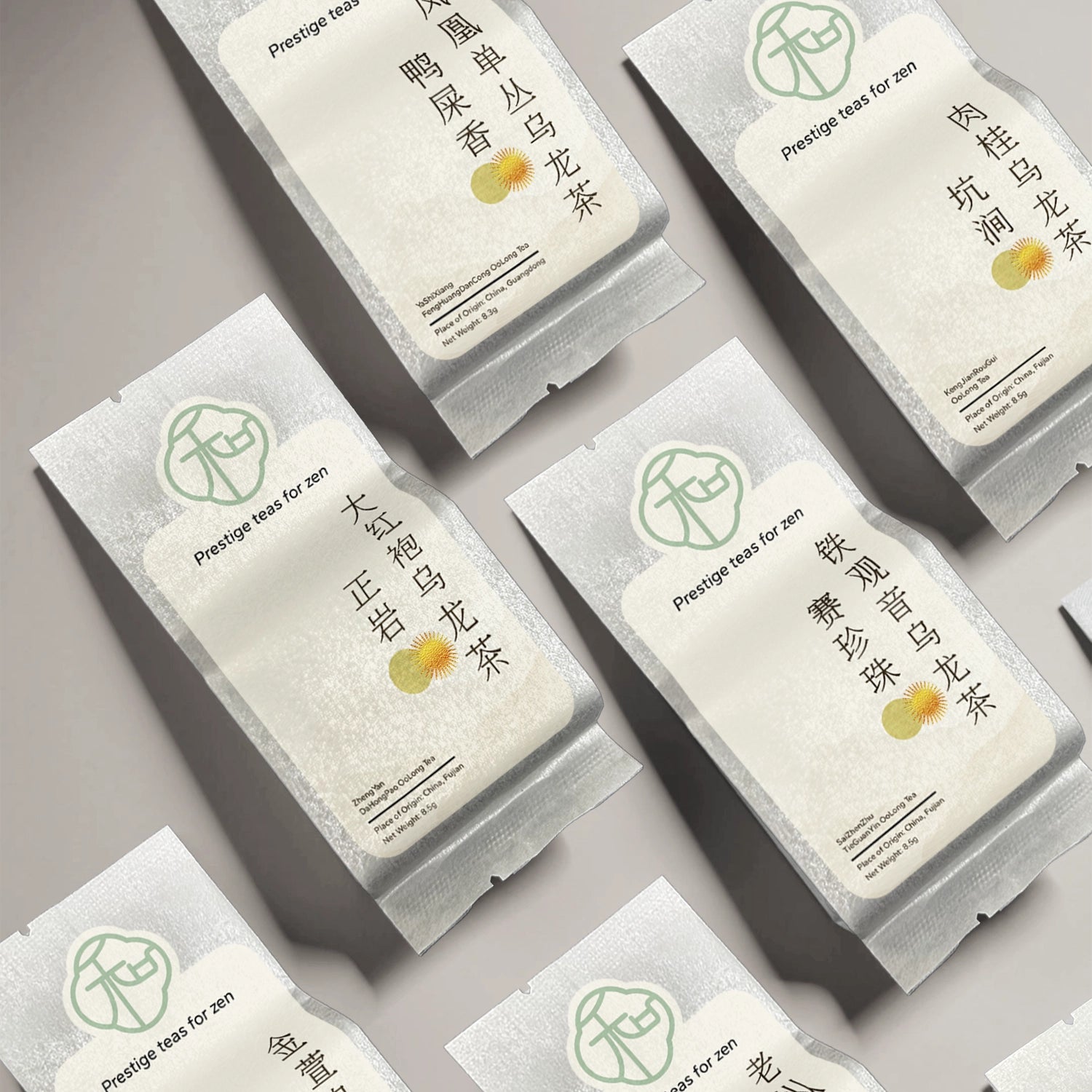
For beginners, two names appear almost immediately: Mi Lan Xiang (蜜兰香) and Ya Shi Xiang (鸭屎香).
These are among the most approachable and widely loved Dan Cong teas. But their names can also feel confusing at first.
So what exactly is the difference?
Why Dan Cong Tea Names Are So Complicated

Phoenix Dan Cong teas are named in several different ways.
Some are named after:
- the tea cultivar
- the fragrance profile
- historical stories
- local traditions
This is why the category can initially feel overwhelming.
You may also hear people talk about the “Ten Fragrance Types” of Phoenix Dan Cong, which include floral styles inspired by orchid, osmanthus, ginger flower, pomelo blossom, and more.
Among these, Mi Lan Xiang and Ya Shi Xiang are two of the most popular starting points.
What Is Mi Lan Xiang?
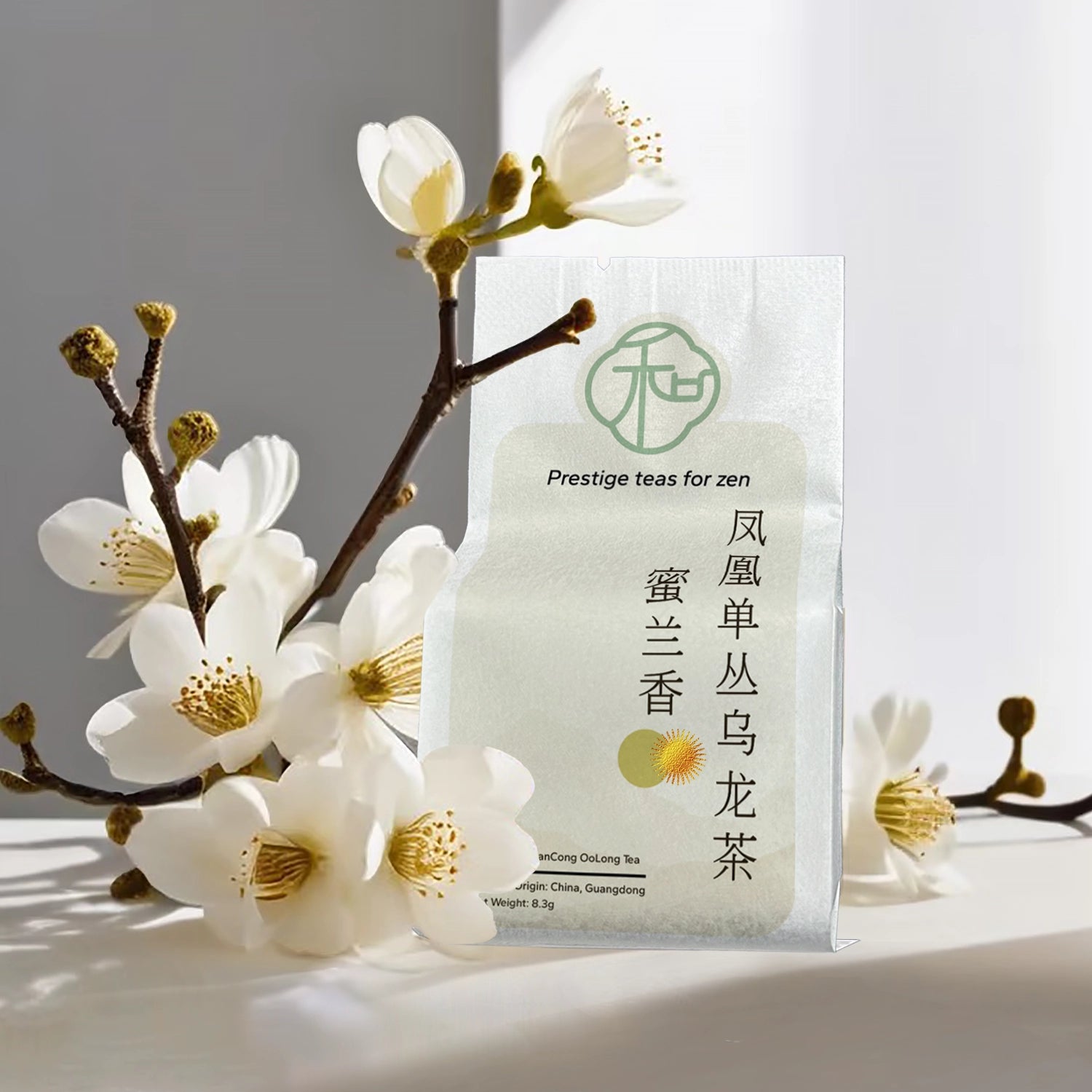
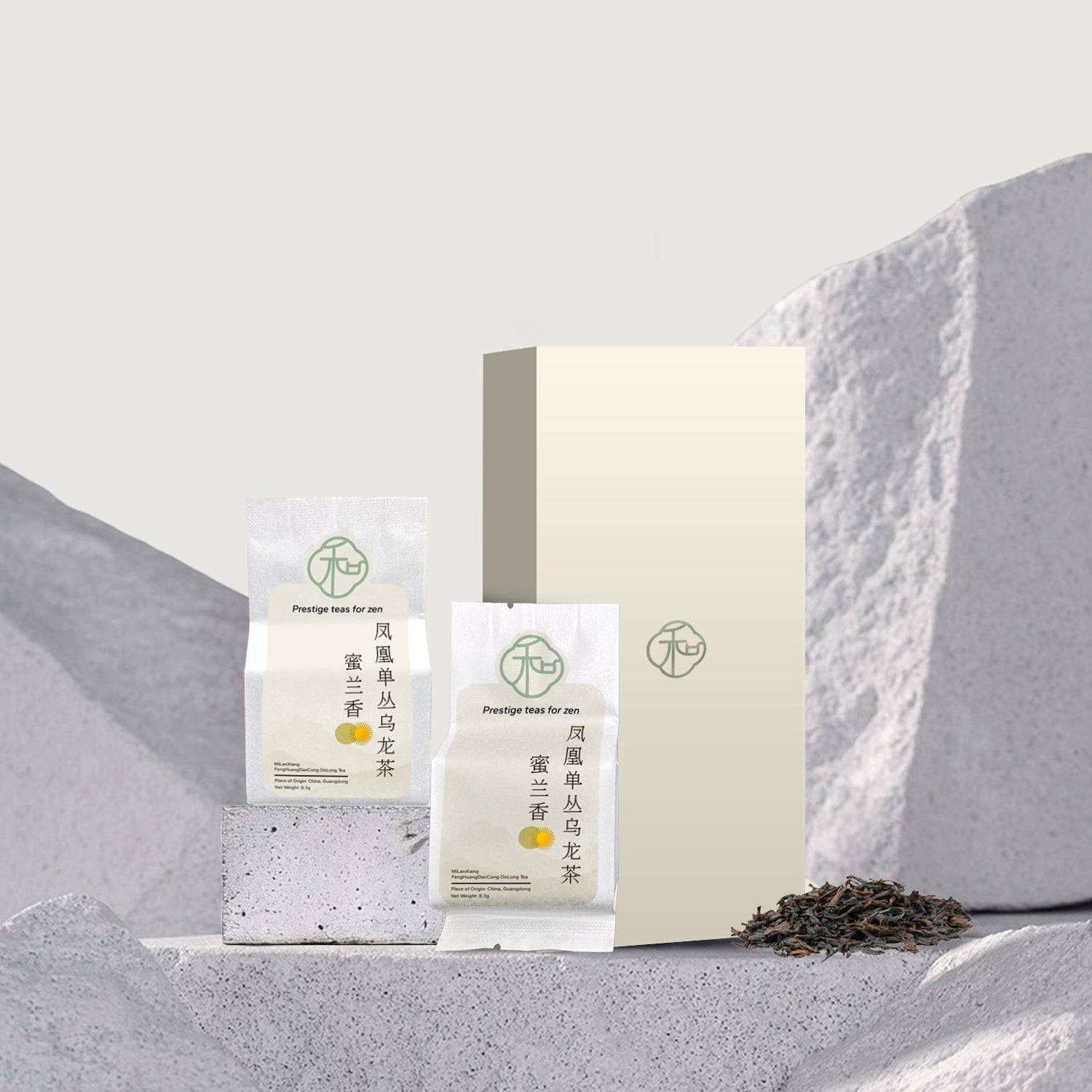
Mi Lan Xiang translates roughly to “Honey Orchid Fragrance.”
The tea is known for a richer body, deeper sweetness, orchid-like floral notes, honeyed aromatics, and a fuller mouthfeel.
Many Mi Lan Xiang teas are roasted more heavily, often using a medium-to-deep charcoal roast. This gives the tea a darker liquor colour, a warmer texture, and a flavour profile that can remind some drinkers of black tea or roasted oolong
One of the most fascinating parts of Mi Lan Xiang is that the “orchid” note is never completely fixed. Depending on the harvest, roast, and mountain terroir, the floral expression can shift subtly each time.
That unpredictability is part of its appeal.
What Is Ya Shi Xiang?
Ya Shi Xiang is often translated literally as “Duck Shit Aroma.”
Despite the unusual name, it has nothing to do with its actual taste or smell.
The tea is prized for:
- bright floral aromatics
- strong returning sweetness
- a cleaner, fresher profile
- lighter body compared to Mi Lan Xiang
Many tea drinkers describe notes of honeysuckle, cream, gardenia, and orchid.
One defining feature of Ya Shi Xiang is its pronounced ‘hui gan’ (回甘), a term referring to the returning sweetness that slowly rises in the throat after swallowing.
Rather than tasting heavy, the tea often feels lively, aromatic, and uplifting.
Which One Should Beginners Choose?

The easiest way to decide is to think about your existing taste preferences.
Choose Ya Shi Xiang if you enjoy:
- lighter and fresher teas
- bright floral aromas
- refreshing finishes
- cleaner textures
- layered fragrance exploration
Choose Mi Lan Xiang if you enjoy:
- fuller-bodied teas
- richer roasted flavours
- black tea or rock tea characteristics
- honeyed sweetness
- warmer and deeper profiles
Neither choice is “better”. They simply represent two different expressions of Phoenix Dan Cong tea.
A Note on Winter-Harvested Snowflake Dan Cong Tea
Some Ya Shi Xiang teas are sold as “Snowflake” winter harvest teas.
These can be enjoyable, but it is worth knowing that many respected high-mountain tea gardens avoid harvesting winter tea altogether in order to protect the quality of the following spring season.
Because of this, claims of “high-mountain Snowflake Dan Cong” (高山雪片) should be approached cautiously.
The Best Way to Start Exploring Phoenix Dan Cong Teas

Many beginners feel pressured to understand every fragrance category immediately.
In reality, you do not need to memorize dozens of aroma types to begin appreciating Phoenix Dan Cong tea.
Starting with Mi Lan Xiang and Ya Shi Xiang is already enough to understand two of the most important directions within the category: rich and roasted or bright and floral.
Over time, your palate naturally becomes more sensitive to the subtle differences that make Phoenix Dan Cong so captivating.
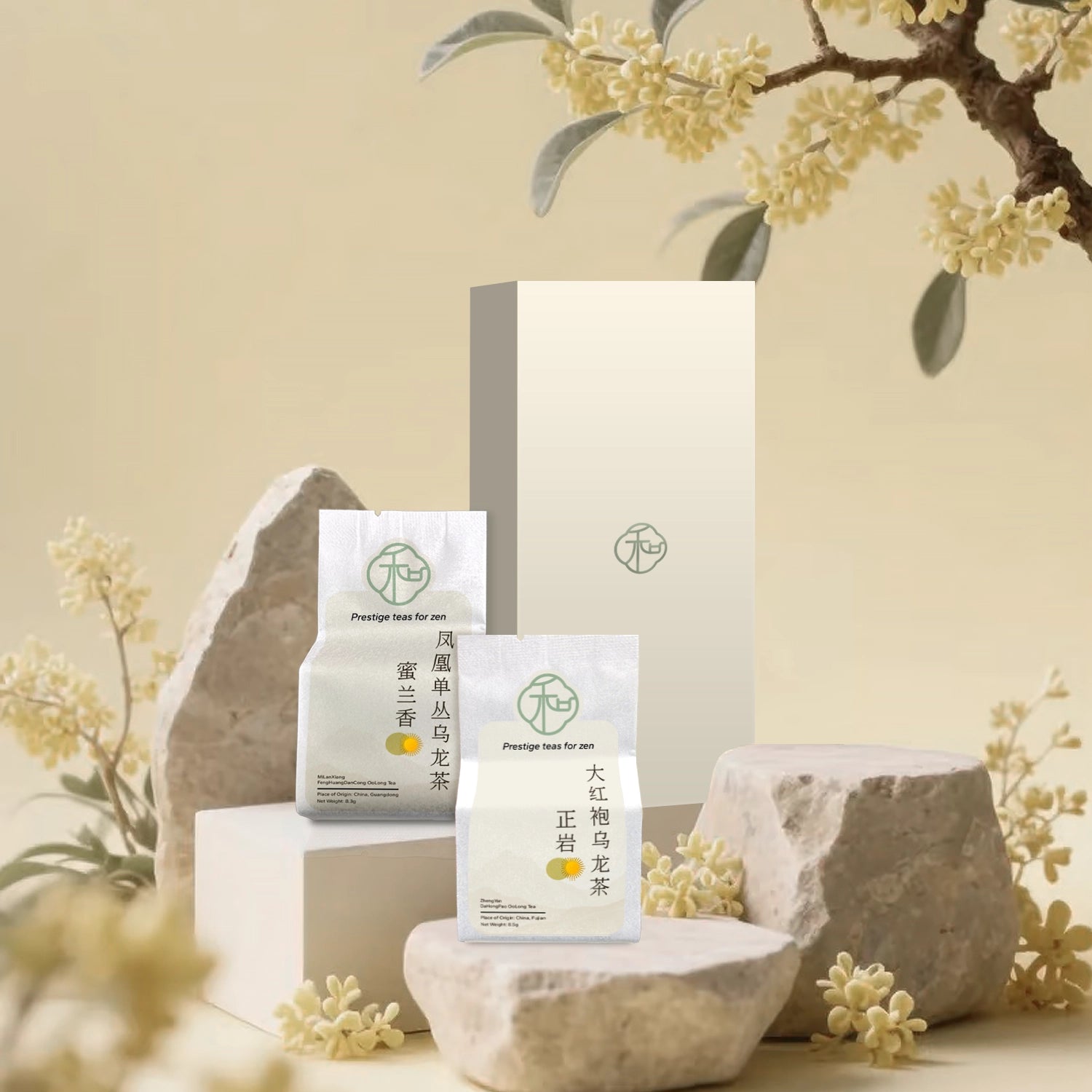
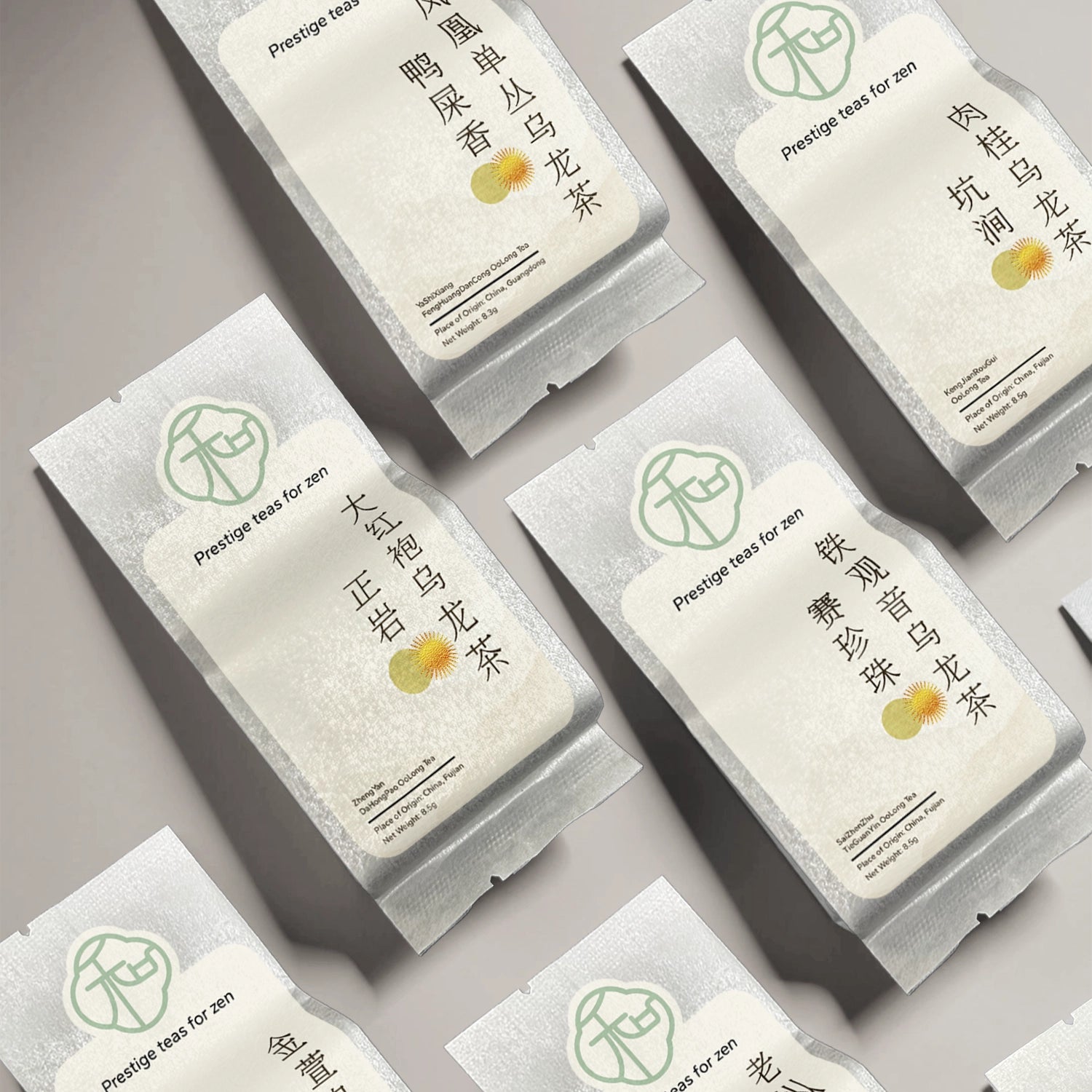
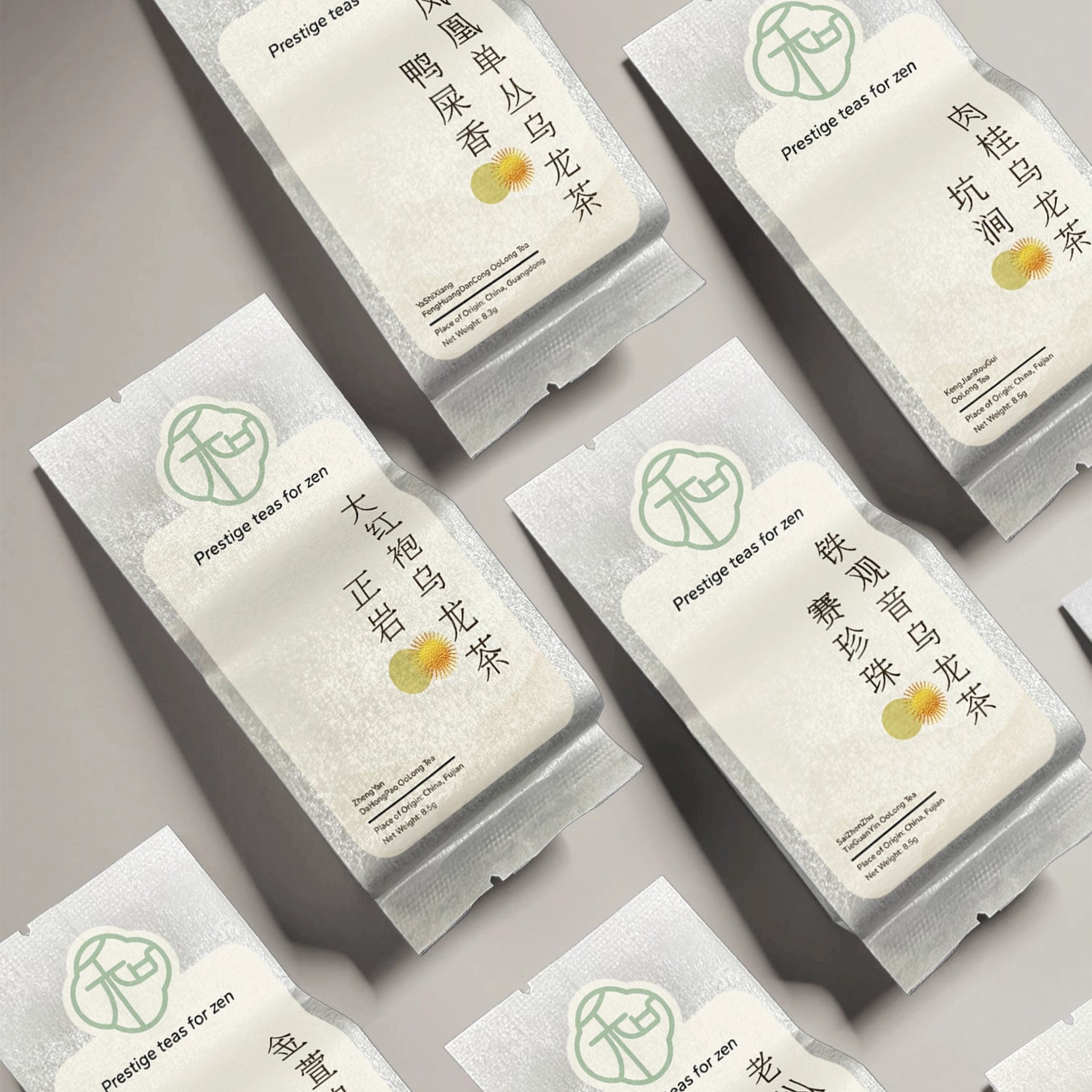
Explore Hetea’s Phoenix Dan Cong Collection

Whether you are drawn to the honeyed depth of Mi Lan Xiang or the floral brightness of Ya Shi Xiang, our selection is designed to help you explore Chinese tea with confidence and curiosity.
Start simple. Stay curious. Trust your own taste.
Happy steeping!


0 comments